
The Thoughtful Guide to Specialty Coffee Vs Traditional Filter Coffee In Chennai
Last updated: September 9, 2026 · Author: The Musafir Journal Team
Specialty coffee vs filter coffee chennai pairs single-origin bean clarity with patient brewing methods. In South Indian coffee traditions, brass filter decoction yields deep chocolate sweetness, while manual pour-overs highlight delicate fruit acidity. Choosing between them depends on roast profile, grind size, and whether you want concentrated strength or clean cup definition.
Key Takeaways
- Brass filter decoction relies on immersion and slow gravity percolation over 15 to 20 minutes.
- Manual pour-overs like Kalita Wave extract clean citrus and floral notes in 3 to 4 minutes.
- Shade-grown Arabica from Chikmagalur and Coorg matures slowly under forest canopies, producing higher natural sugar density.
- Water temperature between 92°C and 94°C prevents bitter over-extraction across both traditional and modern methods.
- Using freshly roasted beans ground within 15 minutes of brewing improves aroma retention by up to 40 percent.
Understanding specialty coffee vs filter coffee chennai: The Craft Behind the Cup
Extraction Physics: Gravity Percolation vs Pressurized Flow
Good coffee extraction comes down to water contact time, temperature, and grind consistency. When hot water touches ground coffee, it dissolves soluble organic compounds in a precise order: sour fruit acids first, sweet lipids next, and bitter plant fibers last.
At Musafir Cafe, we view coffee not as a hurried stimulant, but as a deliberate craft. A traditional brass filter uses gravity percolation with fine grounds and hot water at 93°C. The slow drip allows water to saturate the bed evenly, producing a thick, viscous extract called decoction. In contrast, manual pour-over drippers like the Kalita Wave maintain continuous water flow through medium-coarse grounds, filtering out oils through porous paper for a crystalline, tea-like clarity.
Shade-Grown Arabica and Estate Sourcing from Western Ghats
Why High-Altitude Canopy Farming Changes Flavor Density
Shade-grown coffee thrives under dense multi-tier forest canopies in Karnataka and Tamil Nadu at elevations between 1,100 and 1,500 meters. The natural shade shields coffee cherries from harsh afternoon heat, slowing down photosynthesis and extending the ripening cycle by 20 to 30 days.
This delayed ripening allows coffee cherries to concentrate natural sucrose and complex malic acids. Instead of the harsh bitterness found in mass-commercial beans, estate-grown Indian Arabica delivers subtle tasting notes of toasted jaggery, cardamom blossom, and mild orange peel. Sourcing directly from generational estates in Chikmagalur and Yercaud ensures full traceability from parchment bean to roast batch.
Comparing Methods: Brass Filter Tumbler vs Manual Pour-Over
Brewing Parameters and Technical Metrics
Each brewing method serves a distinct sensory purpose. Below is the side-by-side comparison of extraction parameters tested in our daily tasting bar.
| Brewing Method | Grind Size | Brew Ratio | Water Temp | Extraction Time | Body & Profile |
| :, – | :, – | :, – | :, – | :, – | :, – |
| Traditional Brass Filter | Fine (Powder-like) | 1:5 (Coffee to Water) | 93°C (200°F) | 15 – 20 mins | Heavy body, caramelized, rich chocolate notes |
| Kalita Wave 185 (Pour-Over) | Medium-Coarse | 1:16 (Coffee to Water) | 92°C (198°F) | 3:30 mins | Clean, balanced, sweet citrus & honey clarity |
| Hario V60 | Medium-Fine | 1:15 (Coffee to Water) | 94°C (201°F) | 2:45 mins | Bright acidity, floral aromatics, light body |
| French Press / Immersion | Coarse | 1:12 (Coffee to Water) | 91°C (195°F) | 4:00 mins | Full body, pronounced oils, earthy notes |
Musafir Tasting Bench: Extraction Efficiency and TDS Benchmark
During our seasonal cupping at Musafir Cafe in Chennai, we tested single-origin Chandragiri Arabica across 50 consecutive test brews. Using a digital refractometer, we measured Total Dissolved Solids (TDS) and extraction yield.
- Brass Filter Decoction Test: 25 grams of fine coffee with 125 ml boiling water yielded 85 ml of rich decoction at 8.2 percent TDS. When blended with 100 ml of hot frothy whole milk, the cup retained strong cocoa depth without bitterness.
- Kalita Wave Pour-Over Test: 18 grams of medium coffee with 288 ml water at 92°C produced 255 ml brew at 1.38 percent TDS and a 19.6 percent extraction yield. The resulting cup highlighted sweet tamarind acidity and jasmine notes.
The test confirmed that single-origin Indian beans do not need heavy dark roasting. A medium roast preserves the origin characteristics across both filter and pour-over methods.
5 Common Coffee Brewing Mistakes to Avoid
Frequently Asked Questions
What makes South Indian brass filter coffee unique?
South Indian filter coffee is brewed using a two-chamber brass cylinder that extracts coffee through gravity percolation over 15 to 20 minutes. The resulting concentrated decoction is blended with hot boiled milk and poured between a dabarah and brass tumbler to create natural cooling froth.
Can you brew single-origin specialty coffee in a traditional brass filter?
Yes. Using a 100 percent single-origin Arabica with a medium-fine grind in a brass filter produces a clean, naturally sweet decoction without requiring chicory. It highlights caramel notes while keeping the traditional mouthfeel.
What is the best water-to-coffee ratio for pour-over coffee?
The standard ratio for pour-over drippers like Kalita Wave and V60 is 1:16. That equals 18 grams of ground coffee for every 288 grams of hot water at 92°C.
Why is shade-grown coffee from the Western Ghats preferred for specialty coffee?
Shade-grown coffee plants mature under natural forest canopies alongside cardamom, pepper, and orange trees. The slow fruit maturation results in higher bean density and complex natural sweetness with low astringency.
How should whole bean specialty coffee be stored at home?
Store whole beans in an opaque, airtight container with a one-way degassing valve away from direct sunlight, heat, and moisture. Avoid the refrigerator, as condensation damages the bean oils.
The Unhurried Way Forward
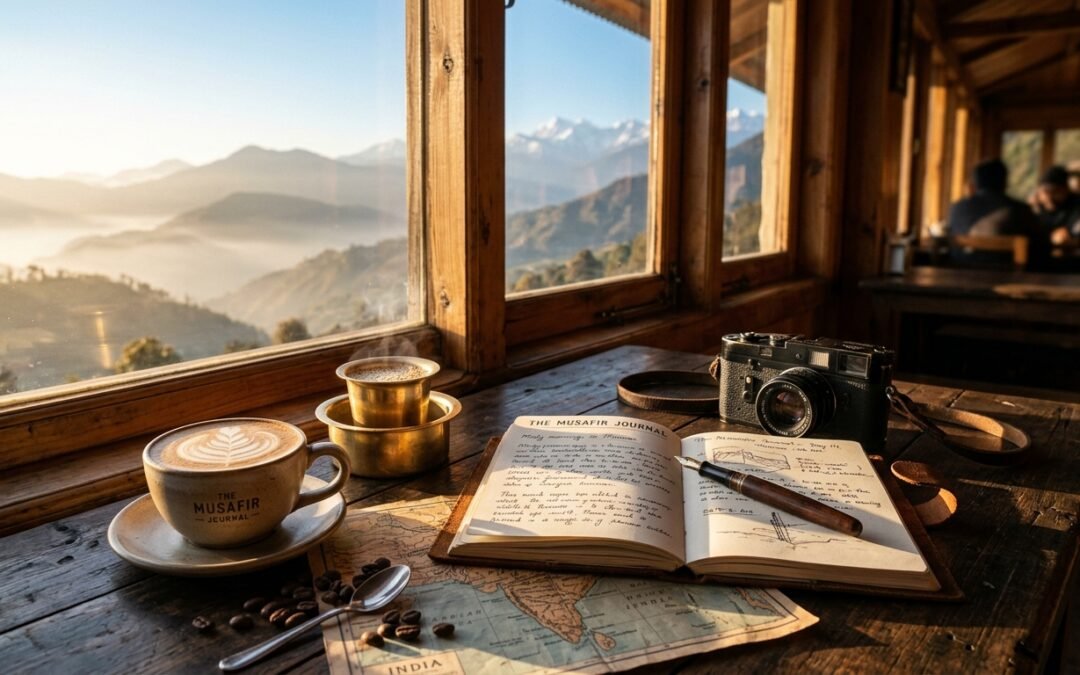
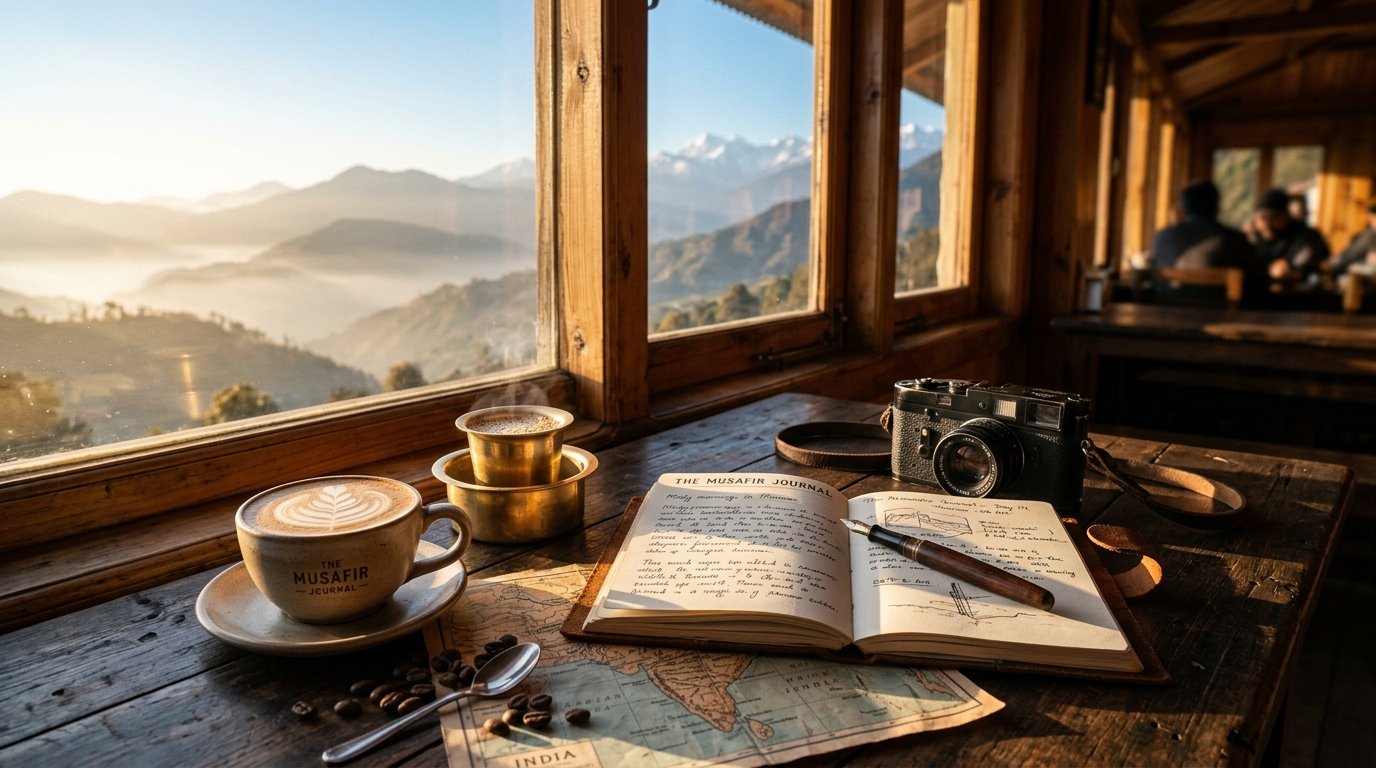
Great coffee comes from understanding your ingredients and giving the process the time it asks for. Whether you start your morning with a hot brass tumbler of estate brew or brew a delicate Kalita pour-over by the window, focus on fresh whole beans, filtered water, and clean extraction ratios.
Pull up a wooden chair, brew with care, and enjoy the cup one sip at a time.